Sustainable Manufacturing: How Green CNC Machining Is Reshaping the Future of Precision Manufacturing
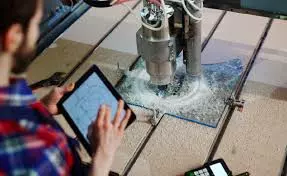
Sustainable manufacturing is no longer a niche concept—it has become a core requirement across global supply chains. In industries that rely heavily on CNC machining, manufacturers are under increasing pressure to reduce environmental impact while maintaining high standards of CNC Precision, efficiency, and reliability.
For CNC factories serving international markets, especially those involved in CNC import and global sourcing, sustainability is now closely tied to competitiveness. Energy efficiency, material optimization, and ESG compliance are influencing purchasing decisions just as much as cost and lead time.
This article explores how Green CNC Manufacturing is evolving, focusing on energy-efficient CNC equipment, environmentally responsible machining practices, and emerging technologies such as AI-driven optimization—all from the perspective of modern CNC Service providers.

The Rise of Energy-Efficient CNC Machines and Eco-Friendly Machining Practices
One of the most visible shifts in Sustainable manufacturing is the rapid adoption of energy-efficient CNC lathes and CNC milling machines. Modern CNC equipment can consume 20–30% less electricity compared to older-generation machines, largely due to improved servo motors, intelligent spindle control, and optimized machine idle management.
At the same time, cutting fluid strategies are changing. Traditional flood cooling systems generate large volumes of hazardous waste and increase disposal costs. As a result, more CNC factories are transitioning to MQL (Minimum Quantity Lubrication) systems and environmentally friendly or biodegradable cutting fluids.
MQL technology reduces cutting fluid consumption by up to 90–95%, while still delivering effective cooling and lubrication during aluminum and steel machining. For materials such as aluminum, MQL not only lowers environmental impact but also improves chip evacuation and surface finish, supporting higher-quality CNC Precision outcomes.
These practices align well with European environmental regulations and North American sustainability standards, making them especially attractive for OEMs sourcing CNC parts globally.
Material Recycling and Waste Reduction as Core ESG Strategies
Material efficiency plays a critical role in Green CNC Manufacturing. CNC machining inherently produces chips and scrap, but how a factory manages this waste determines its environmental footprint.
Leading CNC manufacturers now integrate closed-loop recycling systems, particularly for high-value materials such as aluminum. Aluminum machining waste can be recycled repeatedly with only about 5% of the energy required to produce primary aluminum, offering significant carbon savings.
Beyond recycling, CNC factories are optimizing material utilization through smarter part design, nesting strategies, and process planning. By reducing unnecessary stock removal and minimizing rework, manufacturers can cut raw material waste by 10–20% per project.
These efforts are increasingly documented as part of formal ESG (Environmental, Social, and Governance) initiatives. For customers evaluating CNC suppliers, ESG transparency signals long-term reliability, regulatory compliance, and alignment with corporate sustainability goals.
Energy Recovery and High-Efficiency Motors in Modern CNC Systems
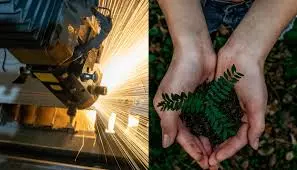
Machine tool builders are also contributing to sustainability through innovations at the equipment level. One notable advancement is energy recovery technology, particularly regenerative braking systems.
During rapid deceleration of spindles or axis movements, braking energy is traditionally lost as heat. New-generation CNC machines capture this energy and feed it back into the power system, reducing overall energy consumption by up to 15% in high-duty-cycle applications.
In parallel, high-efficiency motors and drives are becoming standard. These motors deliver higher torque with lower electrical losses, improving both machining stability and energy performance. For CNC factories operating multiple machines simultaneously, these improvements translate into measurable reductions in electricity costs and carbon emissions.
Such technologies are especially relevant for large-scale CNC Service providers serving international markets where energy pricing and carbon reporting are increasingly regulated.
The Role of AI in Sustainable CNC Machining
AI is rapidly becoming a powerful enabler of sustainable CNC operations. By analyzing machine data in real time, AI-driven systems can optimize cutting parameters, tool paths, and cycle times to reduce energy use without compromising part quality.
In CNC machining, AI applications help:
l Predict tool wear to prevent premature tool replacement
l Optimize spindle speed and feed rate for energy efficiency
l Reduce scrap through early detection of process deviations
Some studies indicate that AI-assisted process optimization can reduce overall energy consumption by 10–25%, while simultaneously extending tool life and improving dimensional consistency.
For factories focused on CNC Precision, AI does not replace engineering expertise—it amplifies it. Experienced engineers combined with intelligent systems create a more stable, repeatable, and sustainable production environment.
Sustainable Manufacturing and Global CNC Supply Chains
Sustainability is now a key consideration in global sourcing decisions. Buyers involved in CNC import increasingly assess suppliers based on environmental responsibility, not just price.
European and North American OEMs often require suppliers to demonstrate:
l Energy-efficient production processes
l Responsible waste management
l ESG-aligned manufacturing practices
For CNC factories in China, investing in Green CNC Manufacturing is not only about environmental compliance—it is a strategic move to strengthen trust, reduce long-term operating costs, and remain competitive in global supply chains.
By integrating sustainable practices into daily operations, CNC manufacturers can position themselves as reliable partners for long-term collaboration rather than short-term cost-driven sourcing.
Why Green CNC Manufacturing Enhances Long-Term Competitiveness
There is a common misconception that sustainability increases manufacturing costs. In reality, many green initiatives deliver strong returns over time.
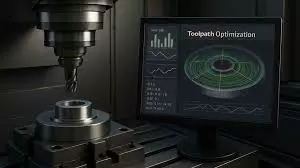
Energy-efficient CNC machines reduce electricity expenses. MQL systems lower consumable costs and waste disposal fees. AI-driven optimization minimizes scrap and rework. Together, these improvements enhance operational efficiency while supporting environmental goals.
For customers, working with a sustainable CNC Service provider reduces supply chain risk and aligns with corporate ESG commitments. For manufacturers, it creates a resilient production model that can adapt to future regulations and market expectations.
The Future of CNC Precision Manufacturing Is Sustainable
As global manufacturing continues to evolve, sustainability will remain a defining factor in supplier selection. Sustainable manufacturing is no longer optional—it is becoming the standard for high-quality CNC machining.
From energy-efficient CNC lathes and CNC milling machines to material recycling, AI optimization, and ESG integration, Green CNC Manufacturing represents the future of precision production.
For CNC factories serving international markets, embracing sustainability is not just about reducing environmental impact—it is about building long-term value, credibility, and trust in a rapidly changing global industry.