Digital Twin and Simulation Technology in Modern CNC Machining
As manufacturing becomes increasingly data-driven, Digital Twin and simulation technologies are transforming how CNC factories design, validate, and optimize machining processes. For CNC manufacturers serving global markets, especially in aluminum and steel precision machining, digital twins are no longer a future concept—they are a competitive necessity.
By creating a virtual replica of physical machines, tools, and processes, manufacturers can predict outcomes, reduce risks, and improve efficiency across the entire CNC machining lifecycle.
Simulating the Complete CNC Machining Process Before Production
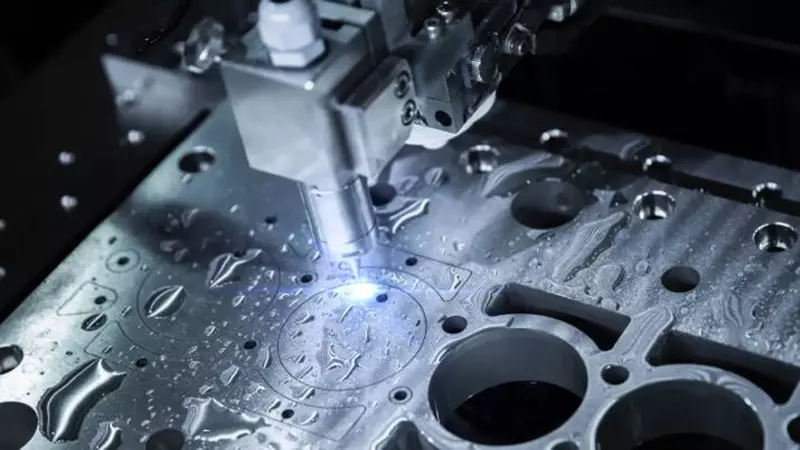
In practical CNC production, a Digital Twin serves as a functional engineering tool rather than a theoretical concept. By creating a high-fidelity virtual replica of actual CNC machines, tooling, and fixtures, manufacturers can simulate the full CNC machining process before production begins, allowing potential issues to be identified and resolved without disrupting shop-floor operations.
From a factory perspective, digital simulation enables CNC engineers to verify tool paths, detect collision risks, and optimize cutting parameters for CNC milling and CNC lathes under realistic operating conditions. This is especially important when machining aluminum or hardened steel, where incorrect parameters can accelerate tool wear or affect dimensional accuracy. For complex aircraft components and tight-tolerance precision parts, simulation helps validate machining strategies before physical trials.
Based on industry benchmarks and factory implementation experience, virtual process validation can reduce trial-and-error costs by 20–30% and shorten process development time by up to 40%. For CNC Precision projects, this approach improves first-pass yield and process stability, ensuring consistent quality for both ordinary parts and high-value precision machining components.
Real-Time Data Integration Through IoT Sensors
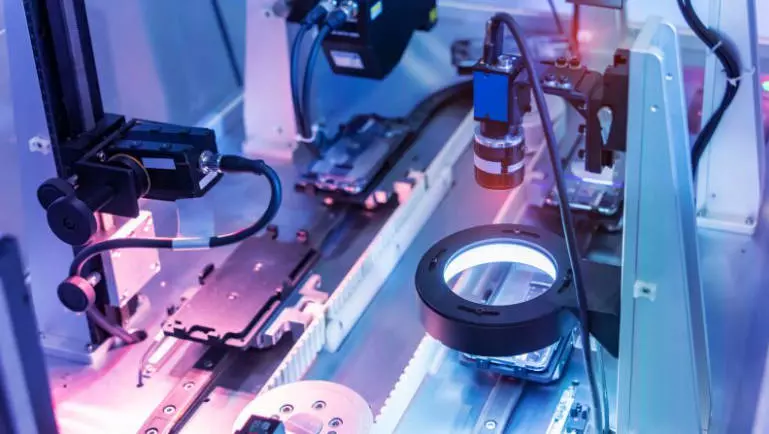
Digital twins become significantly more powerful when combined with IoT-enabled CNC machines. By embedding sensors into CNC equipment, manufacturers can collect real-time data such as:
Spindle speed and vibration
Cutting force and tool wear
Temperature and machine load
Cycle time and energy consumption
This data is continuously fed back into the digital twin model, allowing it to reflect the actual machining conditions on the shop floor. The result is a closed-loop optimization system, where virtual models and physical machines evolve together.
For CNC Service providers supplying international customers, this real-time feedback improves process stability and helps maintain consistent quality across large production batches.
AI-Driven Optimization for CNC Precision Manufacturing
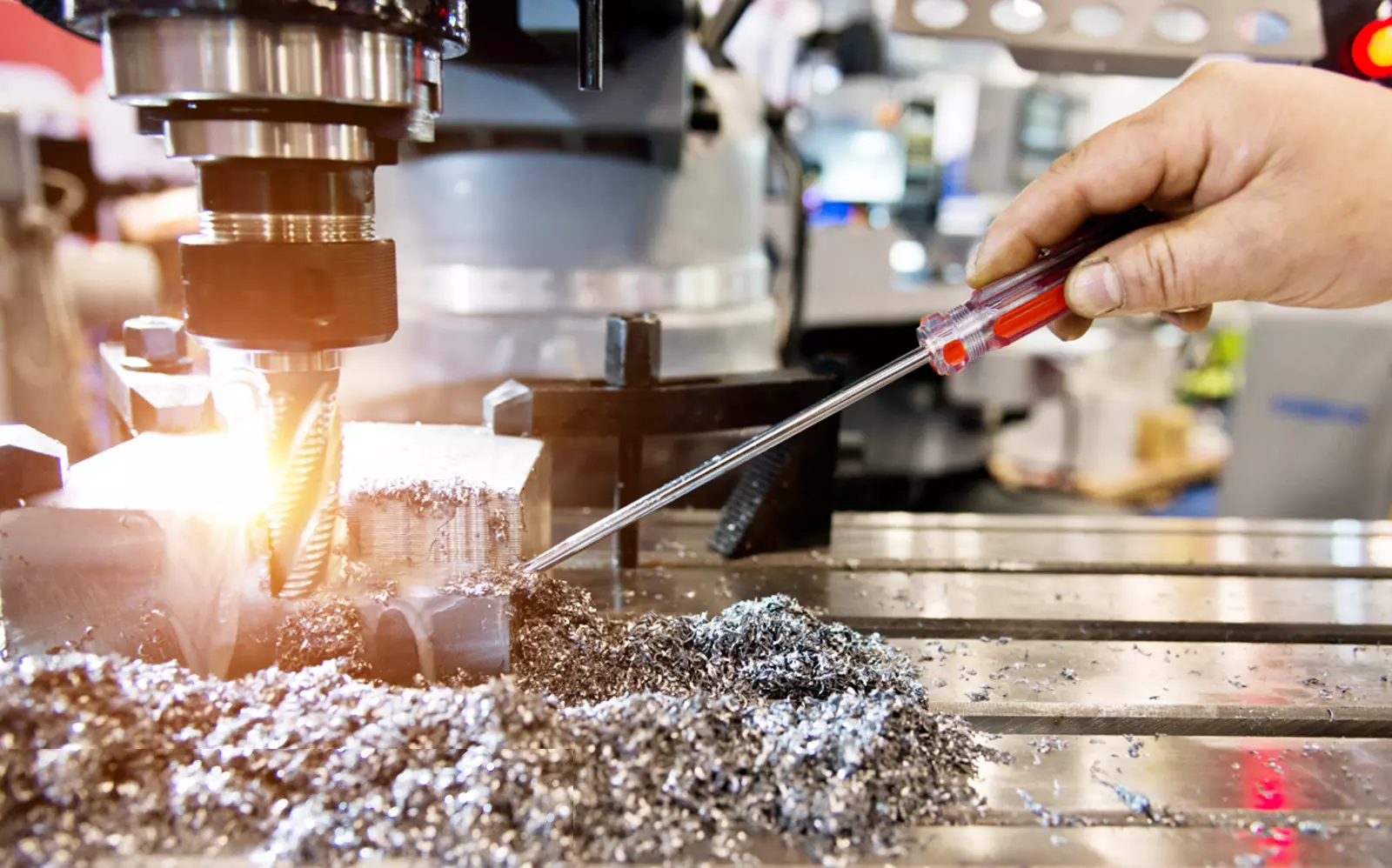
When AI algorithms are applied to digital twin systems, CNC machining moves from reactive control to predictive optimization.
AI-powered digital twins can:
Predict tool failure before it occurs
Automatically adjust feed rates and cutting depth
Optimize machining strategies for different materials, including aluminum alloys and steel grades
Improve surface finish and dimensional accuracy in CNC Precision applications
According to manufacturing studies, AI-assisted CNC machining can improve equipment utilization by 15–25% and reduce unplanned downtime by up to 30%. This level of optimization is especially critical for high-mix, low-volume CNC import orders where flexibility and reliability are essential.

Enhancing Quality Control and Traceability
Despite its advantages, implementing Digital Twin technology in CNC machining still presents practical challenges. Data quality remains the foundation of reliable digital twin models, as inaccurate sensor calibration or incomplete machine data can directly impact simulation accuracy and process stability.
Integration with legacy CNC machines is another common challenge. Many existing CNC milling and CNC lathe systems lack native connectivity, requiring hardware upgrades or customized software interfaces to enable real-time data exchange. This can increase initial deployment complexity, especially in mixed-equipment production environments.
Successful adoption also depends on skilled engineering expertise. Engineers must be able to interpret simulation outputs, validate AI-driven insights, and apply them effectively to real machining processes. As digital manufacturing technologies mature, these barriers are steadily decreasing, while long-term gains in efficiency, quality, and cost control continue to outweigh the initial investment.
Key Challenges in Digital Twin Implementation
Despite its advantages, adopting digital twin technology in CNC machining is not without challenges.
First, high-quality data is essential. Inaccurate sensor calibration or incomplete data can reduce model reliability.
Second, integration with legacy CNC machines may require hardware upgrades or software customization.
Third, skilled engineers are needed to interpret simulation results and fine-tune AI-driven recommendations.
However, as digital manufacturing ecosystems mature, these barriers are steadily decreasing. The long-term gains in efficiency, quality, and cost control far outweigh the initial investment.
The Future of CNC Machining with Digital Twins
Digital Twin technology is becoming a core capability in advanced CNC machining rather than an optional upgrade. As AI, IoT, and CNC precision manufacturing continue to converge, digital twins enable more predictable processes, faster optimization, and higher-quality outcomes. For CNC manufacturers serving global markets, this approach supports stable production, reduced risk, and consistent performance across a wide range of CNC machining applications.
