Multi-Axis CNC Machining: Why 5-Axis and Beyond Are Redefining Precision Manufacturing
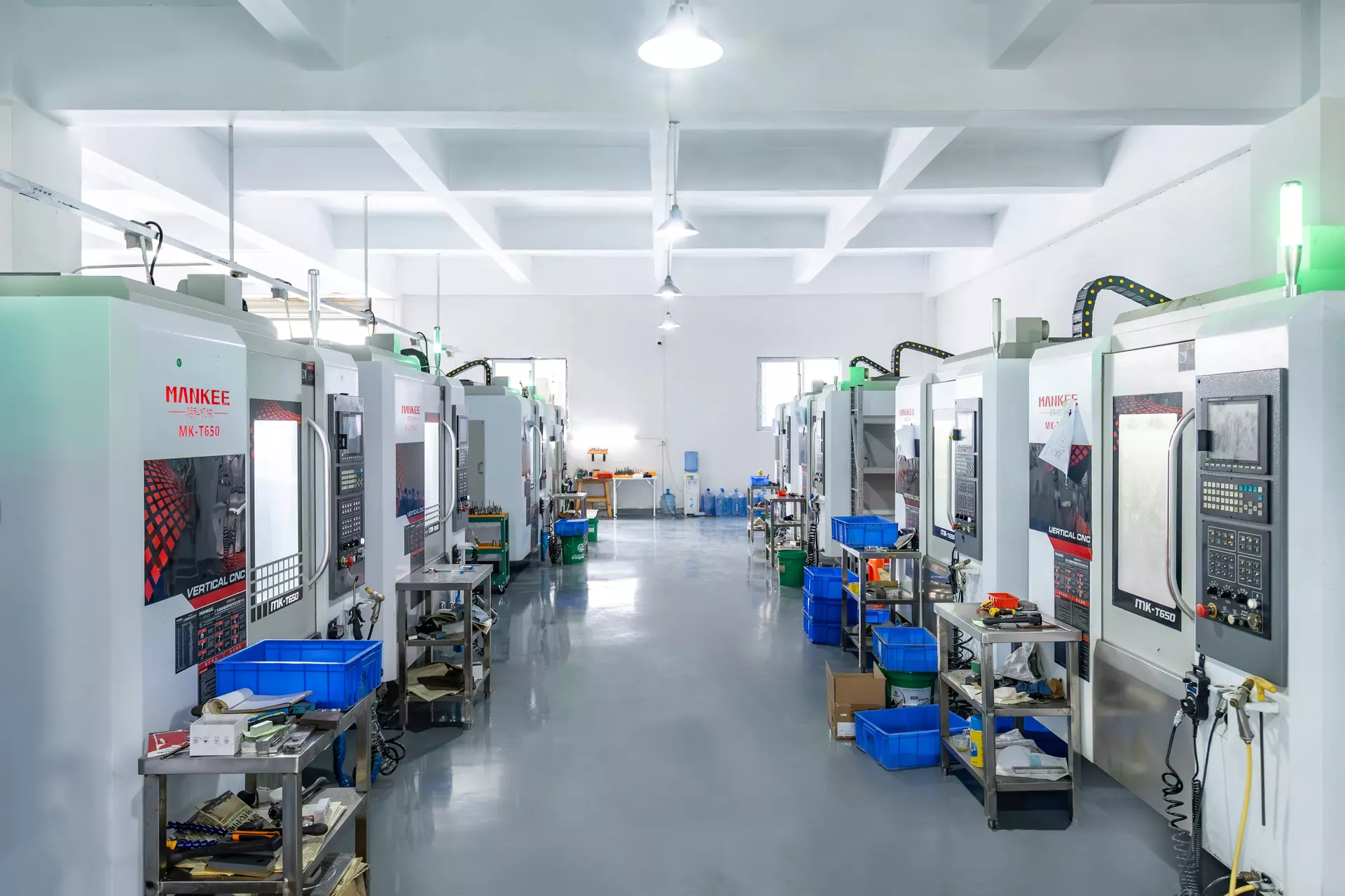
As product designs become more compact, lightweight, and geometrically complex, traditional 3-axis machining is increasingly unable to meet modern manufacturing demands. Multi-axis CNC machining—especially 5-axis and 6-axis systems—has become a core capability for manufacturers producing high-precision, high-complexity components across aerospace, medical, automotive, and industrial equipment sectors.
For global buyers seeking reliable CNC Service partners, multi-axis capability is no longer a premium feature—it is a baseline requirement for quality, efficiency, and long-term scalability.
What Is Multi-Axis CNC Machining?
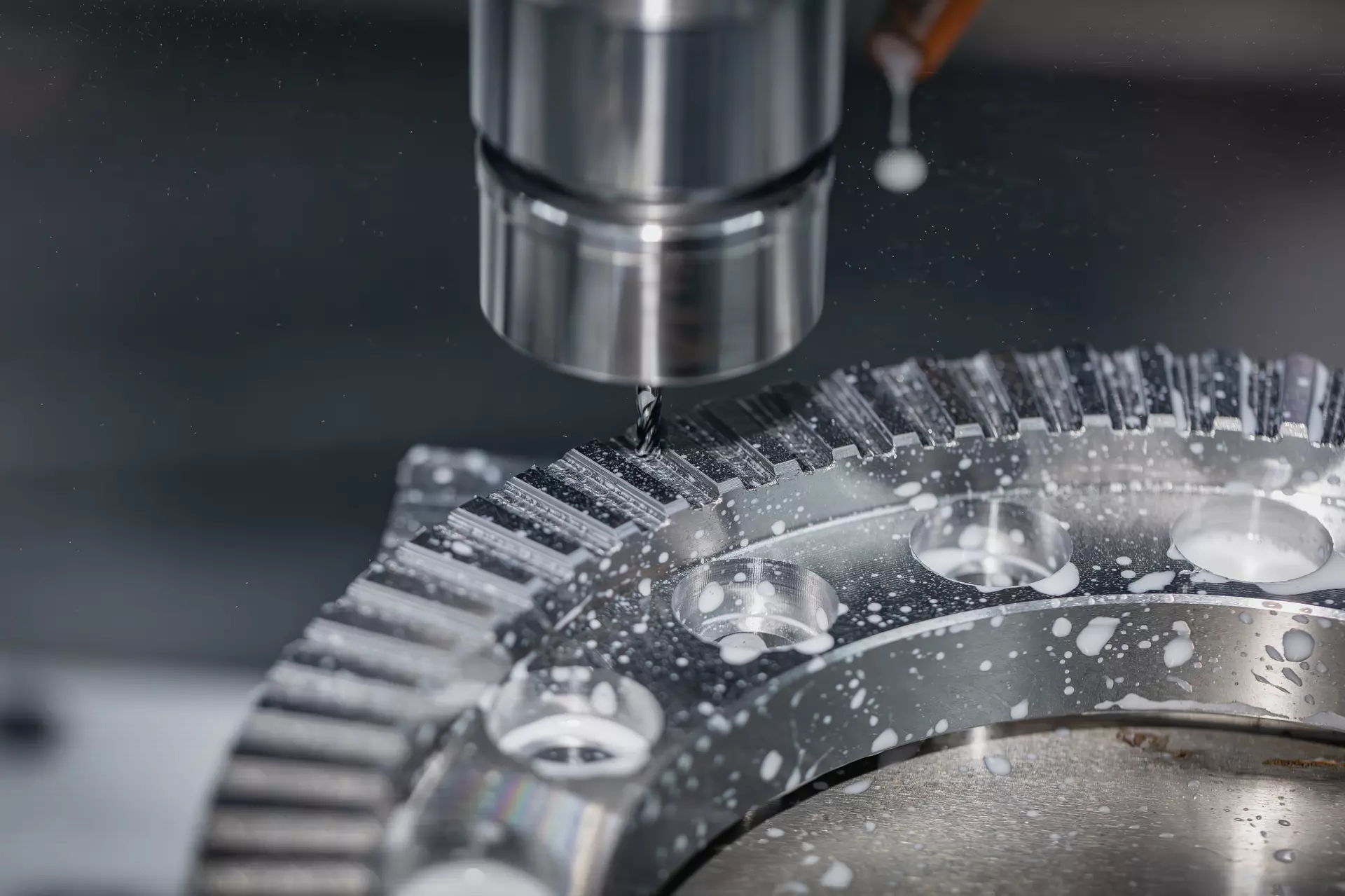
Multi-axis CNC machining refers to CNC machines that operate along more than three linear axes. In addition to the standard X, Y, and Z movements, 5-axis CNC machines add two rotational axes, allowing the cutting tool or workpiece to approach the part from virtually any direction. More advanced 6-axis systems introduce an additional degree of freedom, enabling even greater flexibility for highly intricate geometries.
Compared with conventional CNC milling, multi-axis CNC machining significantly reduces the need for multiple setups, manual repositioning, and secondary operations—key factors that directly affect dimensional accuracy and production cost.
Single-Setup Machining: Precision Starts with Stability
One of the most important advantages of 5-axis CNC machining is the ability to complete complex parts in a single setup. Industry data shows that each additional setup can introduce dimensional deviation of up to 20–30 microns, especially in tight-tolerance CNC Precision applications. By eliminating multiple re-clamping steps, multi-axis machines dramatically reduce cumulative errors.
For complex aluminum components with deep cavities, compound angles, or curved surfaces, single-setup machining ensures better positional accuracy, surface consistency, and repeatability across production batches.
Higher Efficiency Without Compromising Quality
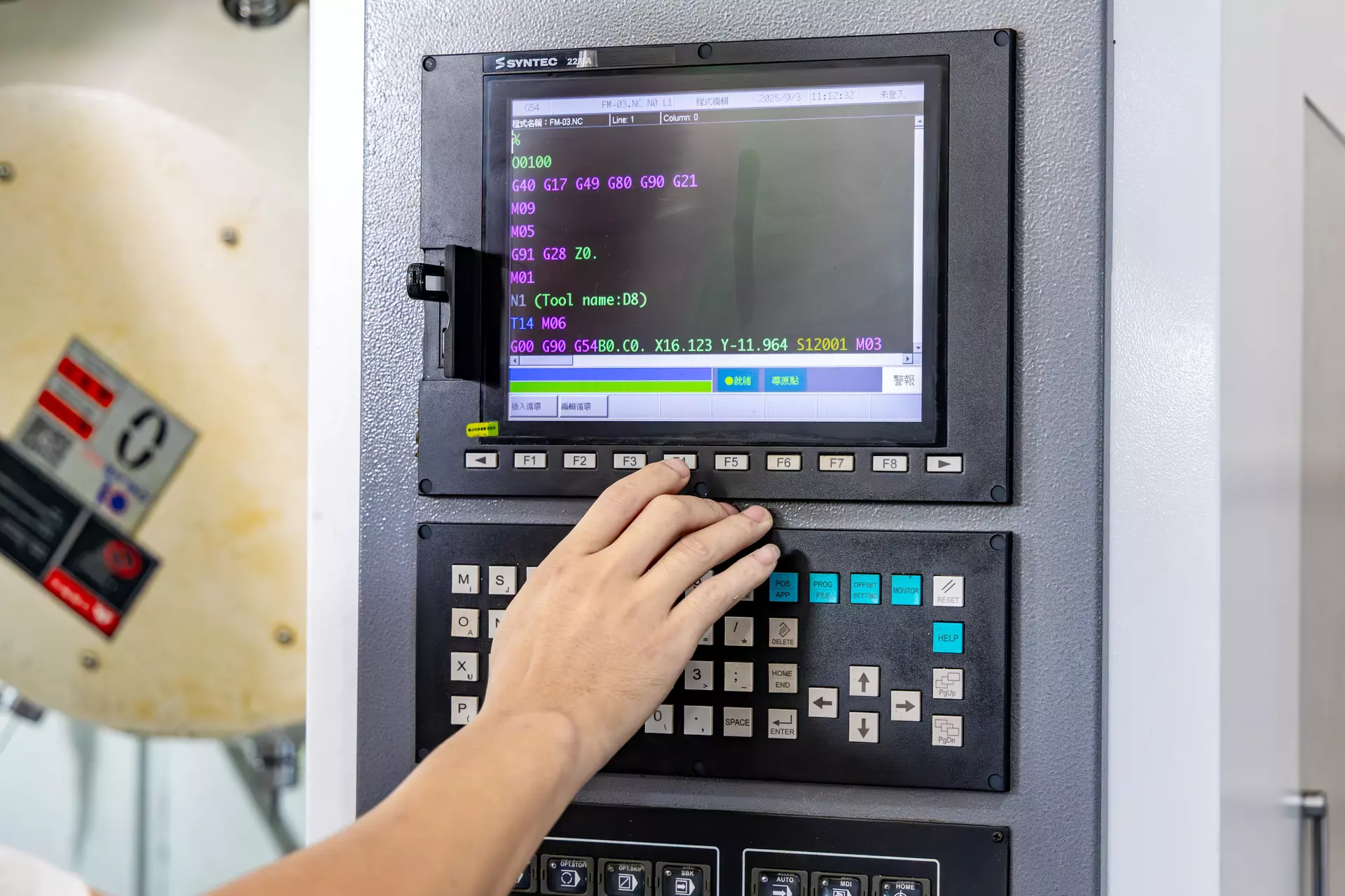
Multi-axis CNC machining is not only about precision—it is also about efficiency. By allowing continuous tool movement and optimal cutting angles, 5-axis CNC machines can reduce machining time by 30–50% compared to traditional 3-axis processes. Shorter cycle times translate directly into faster lead times and more competitive CNC import solutions for overseas customers.
In addition, optimized tool orientation improves cutting conditions, extending tool life by up to 40% in some applications. This results in more stable quality and lower long-term production costs, especially for medium- to high-volume orders.
Enabling Advanced Part Design and Lightweight Structures
Modern product development increasingly focuses on lightweight structures, internal channels, and integrated functions. These designs are often impossible—or economically impractical—to manufacture using conventional CNC machining methods.
Multi-axis CNC milling makes it feasible to machine complex free-form surfaces, undercuts, and internal features directly from solid aluminum billets. This capability is particularly valuable in aerospace and medical industries, where reducing part weight by even 10–15% can deliver significant performance and cost benefits.
The Role of AI in Multi-Axis CNC Machining
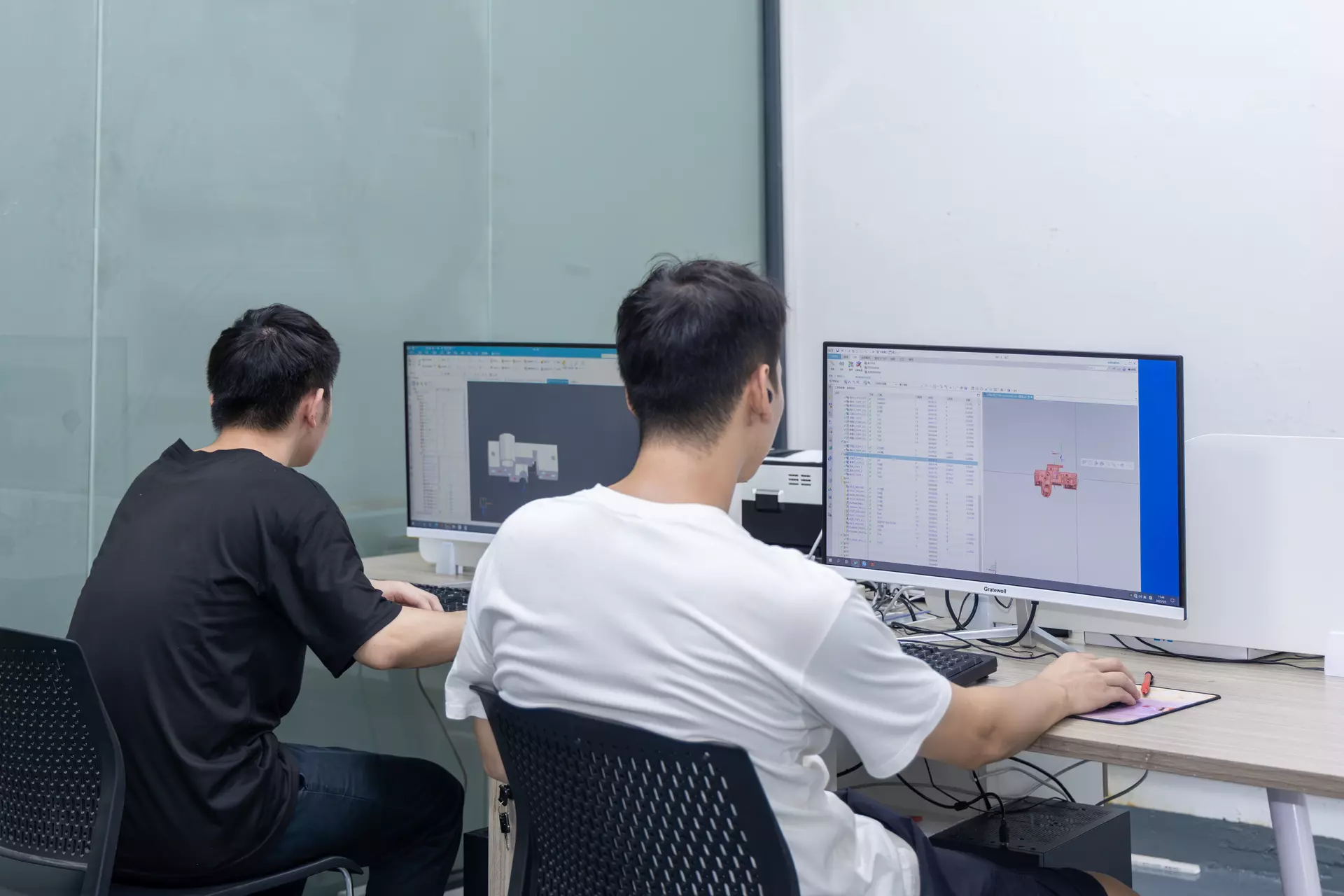
AI-driven optimization is rapidly becoming an integral part of advanced CNC machining. By combining AI algorithms with multi-axis CNC systems, manufacturers can automatically optimize tool paths, predict tool wear, and adjust cutting parameters in real time.
In practical terms, AI-assisted CNC machining can improve material removal efficiency by 10–20%, while reducing scrap rates and unplanned downtime. For customers sourcing CNC Service providers globally, AI integration is a strong indicator of process maturity and long-term manufacturing reliability.
Why Multi-Axis Capability Matters for Global CNC Buyers
For international customers managing CNC import projects, multi-axis machining capability directly impacts project success. Fewer setups mean fewer variables, lower risk of quality deviation, and more consistent results across shipments. This is especially critical when working with overseas suppliers, where clear specifications and stable processes are essential.
A CNC manufacturer equipped with 5-axis and 6-axis systems is better positioned to handle complex drawings, tighter tolerances, and evolving design changes—without sacrificing delivery timelines or quality standards.
Multi-Axis CNC as a Strategic Manufacturing Advantage
Multi-axis CNC machining is no longer limited to niche, high-end applications. It has become a strategic foundation for manufacturers committed to precision, efficiency, and global competitiveness. By combining advanced CNC milling technology, AI-driven optimization, and deep process expertise, modern CNC factories can deliver high-quality aluminum and metal components that meet the exacting standards of international markets.
For companies seeking a long-term CNC Service partner, multi-axis capability is not just about machines—it reflects a manufacturer’s engineering depth, quality mindset, and readiness for the future of precision manufacturing.