Sustainability and Advanced Materials: The Future of CNC Machining
Manufacturing is evolving rapidly. As industries such as electric vehicles, aerospace, medical devices, and electronics demand higher performance and precision, manufacturers are also under increasing pressure to reduce energy consumption, material waste, and environmental impact.
This is driving the development of green CNC machining and the wider adoption of advanced materials. Together, they are helping manufacturers produce lighter, stronger, and more efficient components while improving the sustainability of the manufacturing process.
What Is Green CNC Machining?
Green CNC machining refers to machining practices that reduce environmental impact while maintaining high productivity and precision.
Traditional CNC machining removes material from a solid workpiece to create the final component. While this process provides excellent dimensional accuracy, it can consume significant amounts of energy and generate material waste.
Modern machining strategies focus on improving efficiency in several areas, including:
-- Reducing machine energy consumption
-- Optimizing cutting parameters and toolpaths
-- Extending cutting tool life
-- Recycling machining chips
-- Improving overall machine utilization
The objective is not simply to use less energy. A truly sustainable process should balance energy efficiency, material utilization, production efficiency, quality, and cost.
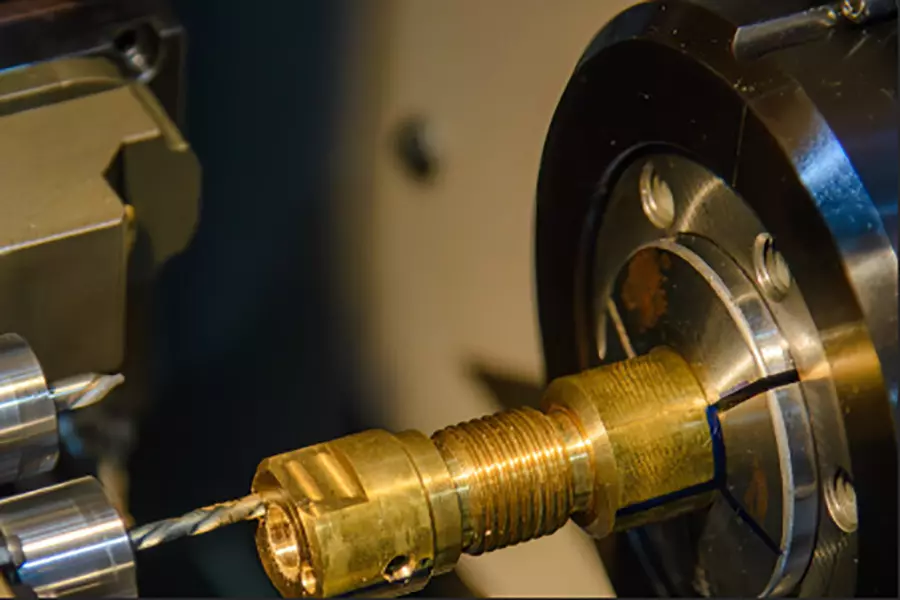
Reducing Energy and Material Waste
Energy efficiency is an important part of sustainable manufacturing. CNC machines consume energy through the spindle, motors, coolant systems, compressed air, and other auxiliary equipment.
Optimized toolpaths can reduce unnecessary movements and machining time. Selecting the right cutting parameters can also improve material removal efficiency while maintaining dimensional accuracy and surface quality.
Material utilization is equally important.
During CNC machining, part of the original material becomes chips. This is especially significant when machining expensive materials such as titanium and Inconel.
Better blank selection, optimized machining strategies, and near-net-shape manufacturing can reduce unnecessary material removal. In addition, metal chips can often be collected and recycled, turning machining waste into a valuable resource.
The Importance of Cutting Tool Life
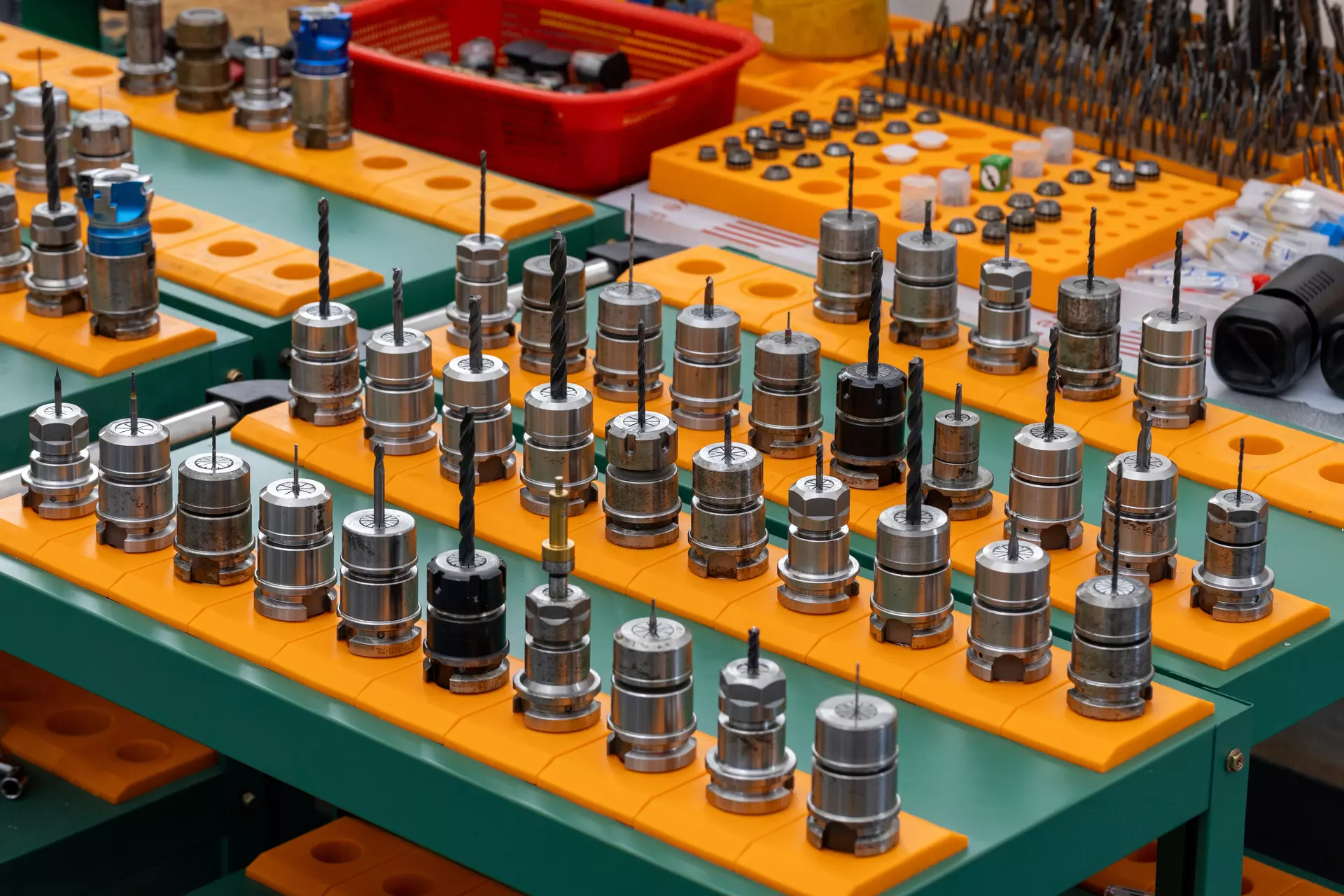
Cutting tools directly affect machining quality, production efficiency, and environmental performance.
Frequent tool replacement increases material consumption and production downtime. Excessive tool wear can also result in dimensional errors, poor surface quality, or rejected components.
Using appropriate tool materials, coatings, cutting speeds, feed rates, and cooling strategies can extend tool life and improve machining efficiency.
Modern CNC production can also use tool monitoring and process monitoring technologies to identify wear before it causes quality problems.
This approach helps manufacturers reduce both waste and unnecessary tool consumption.
Advanced Materials for Modern Manufacturing
Sustainability is not only about how a component is manufactured. The material used in the final product can also have a major impact on performance and efficiency.
Engineers are increasingly using advanced materials that provide high strength, low weight, corrosion resistance, heat resistance, or other specialized properties.
Four important examples are composites, titanium, Inconel, and high-performance polymers.
Composites
Composite materials, such as carbon fiber reinforced polymers, offer excellent strength-to-weight ratios.
They are widely used in aerospace, automotive, and other applications where reducing weight is important.
However, composites require careful machining because improper cutting can cause delamination, fiber damage, or poor edge quality. Specialized cutting tools and optimized machining parameters are therefore essential.
Titanium
Titanium combines high strength, low density, and excellent corrosion resistance.
It is widely used in aerospace, medical, automotive, and high-performance applications.
However, titanium is relatively difficult to machine because it generates significant heat at the cutting zone and can cause rapid tool wear.
Efficient titanium machining requires rigid equipment, suitable cutting tools, optimized parameters, and effective cooling strategies.
Inconel
Inconel and other nickel-based superalloys can maintain their strength at high temperatures and resist corrosion.
These properties make them valuable for aerospace engines, energy systems, and other demanding applications.
However, these same properties make Inconel challenging to machine. High cutting forces and tool wear require careful process planning and appropriate tooling.
Because Inconel is also a high-value material, minimizing scrap and unnecessary material removal is particularly important.
High-Performance Polymers
Engineering polymers such as PEEK and PTFE are increasingly used in medical, automotive, electronics, aerospace, and industrial applications.
Compared with many metals, polymers are lightweight and can provide excellent chemical resistance or electrical insulation.
However, excessive machining heat can cause melting or dimensional deformation. Proper cutting parameters and workholding methods are therefore essential.
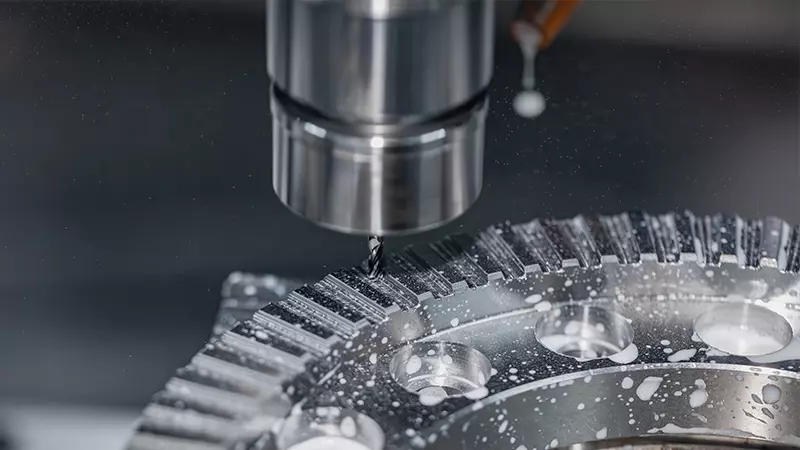
Applications in EV, Aerospace, and Medical Industries
The relationship between sustainability and advanced materials can be clearly seen in several growing industries.
Electric Vehicles
Reducing vehicle weight can help improve energy efficiency and driving range. As a result, EV manufacturers are increasingly using aluminum alloys, composites, engineering polymers, and other lightweight materials.
CNC machining is used for many precision components, including motor parts, battery-related components, housings, connectors, and thermal management components.
Aerospace
Aerospace manufacturers require materials that are lightweight while maintaining high strength and reliability.
Titanium, composites, and nickel-based superalloys are widely used in aircraft and aerospace components.
Because these materials can be expensive and difficult to machine, efficient CNC processes are important for reducing material waste and maintaining consistent quality.
Medical Devices
Medical components often require excellent dimensional accuracy, surface quality, corrosion resistance, and material reliability.
Titanium and specialized polymers are commonly used for medical devices and precision components.
In this sector, sustainable manufacturing must be combined with strict quality and cleanliness requirements.
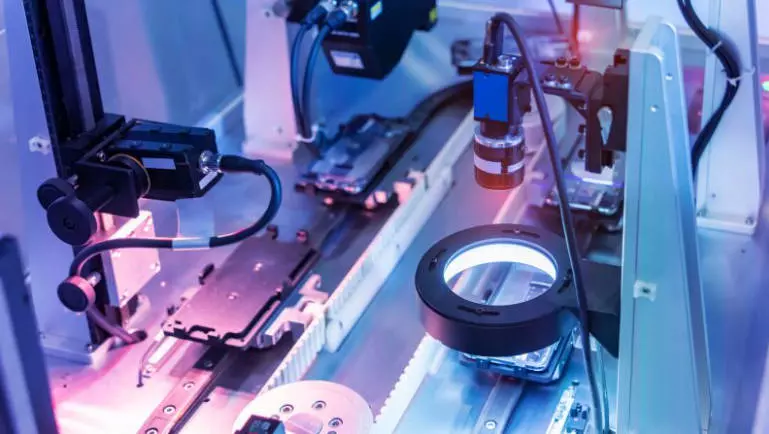
The Future of Sustainable CNC Machining
The future of CNC machining will increasingly combine advanced materials with smarter manufacturing technologies.
Automation, digital simulation, machine monitoring, optimized toolpaths, and predictive maintenance can help manufacturers reduce unnecessary machining time, material waste, and tool consumption.
At the same time, engineers will continue developing lighter, stronger, and more durable materials for transportation, aerospace, medical, energy, and industrial applications.
Sustainability therefore does not mean simply producing less. It means producing better parts with smarter processes and more efficient use of resources.
Conclusion
Green CNC machining, advanced materials, and sustainable manufacturing are becoming important elements of modern precision manufacturing.
By improving energy efficiency, reducing material waste, extending tool life, and optimizing machining processes, manufacturers can reduce environmental impact without sacrificing quality or productivity.
At the same time, advanced materials such as composites, titanium, Inconel, and high-performance polymers are helping engineers develop lighter, stronger, and more efficient products for EVs, aerospace, medical devices, and other demanding industries.
As CNC technology continues to evolve, sustainability will become an increasingly important part of precision manufacturing—and manufacturers that combine precision, efficiency, advanced materials, and responsible production will be better prepared for the future.
