Digital Twins as the Production Backbone of Smart CNC Manufacturing
Digital twins are becoming an important part of smart manufacturing, helping manufacturers connect product design, machining, and quality inspection within a unified digital environment. As CNC machining continues to evolve toward higher precision, greater efficiency, and more flexible production, digital twin technology offers a practical way to simulate manufacturing processes, identify potential problems, and improve production performance before and during actual machining.
For CNC precision machining companies, digital twins are more than just three-dimensional models. They can serve as a digital representation of a physical part, machine, production line, or even an entire manufacturing process. By integrating engineering data, computer-aided manufacturing (CAM), machine information, and inspection results, manufacturers can make better-informed decisions throughout the production cycle.
What Is a Digital Twin in CNC Manufacturing?
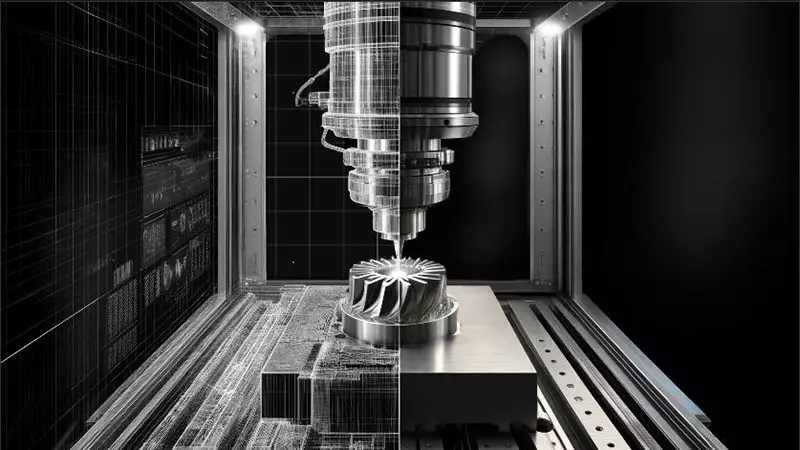
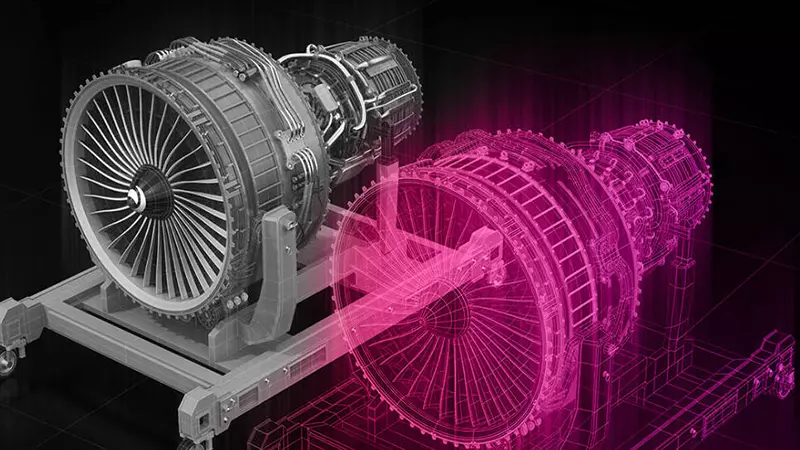
A digital twin is a virtual representation of a physical object or process that can be updated with relevant data from its real-world counterpart. Unlike a static CAD model, which primarily describes the geometry and design intent of a part, a digital twin can incorporate manufacturing parameters, machine behavior, process conditions, and quality information.
In CNC machining, a digital twin may represent a single component, a CNC machine, a machining operation, or a complete production workflow. The level of detail depends on the manufacturer's objectives and available data.
For example, a digital twin of a machined aluminum component could combine its CAD design, CAM toolpaths, cutting parameters, material properties, and dimensional inspection results. Engineers could use this information to evaluate how the component is expected to behave during machining and compare the simulated results with the finished part.
This approach helps bridge the gap between digital engineering and physical production. Instead of treating design, programming, machining, and inspection as separate activities, manufacturers can connect them through a shared digital information system.
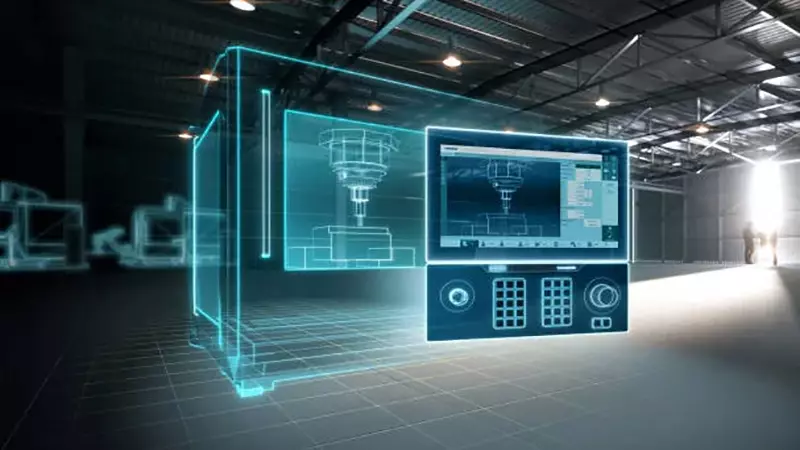
How Digital Twins Connect the CNC Production Process
The value of digital twin technology comes from its ability to connect different stages of manufacturing. When information flows between these stages, engineers can identify potential issues earlier and make improvements based on actual production data.
1. Design and Engineering
The process begins with a digital product model created using computer-aided design (CAD) software. This model defines the component's geometry, dimensions, tolerances, and other technical requirements.
A digital twin can provide a foundation for evaluating whether the design is suitable for manufacturing. Engineers can review complex features, thin walls, deep cavities, and other challenging geometries before production begins.
For precision CNC machining, this early evaluation is particularly valuable. A part may look straightforward in a CAD model but present difficulties during machining because of tool accessibility, material deformation, or workholding limitations.
Identifying these challenges during the design stage can reduce engineering changes, unnecessary programming work, and avoidable production costs.
2. CAM Programming and Machining Simulation
After the design is finalized, engineers develop machining strategies using computer-aided manufacturing software. CAM systems generate toolpaths and define operations such as roughing, finishing, drilling, and contour milling.
Digital twin technology can connect these toolpaths with a virtual representation of the CNC machine and its working environment. Depending on the system's capabilities, simulation may help detect tool collisions, excessive tool movement, machine travel-limit violations, and other potential problems.
Engineers can also evaluate machining sequences, cutting conditions, and tool accessibility before running the program on the actual machine.
This is especially useful for complex milling operations, multi-axis machining, and components that require several setups. A simulation does not eliminate every possible machining risk, but it can help identify issues that might otherwise lead to machine downtime, damaged tools, or scrapped parts.
By improving the virtual preparation stage, manufacturers can reduce trial-and-error work on the shop floor.
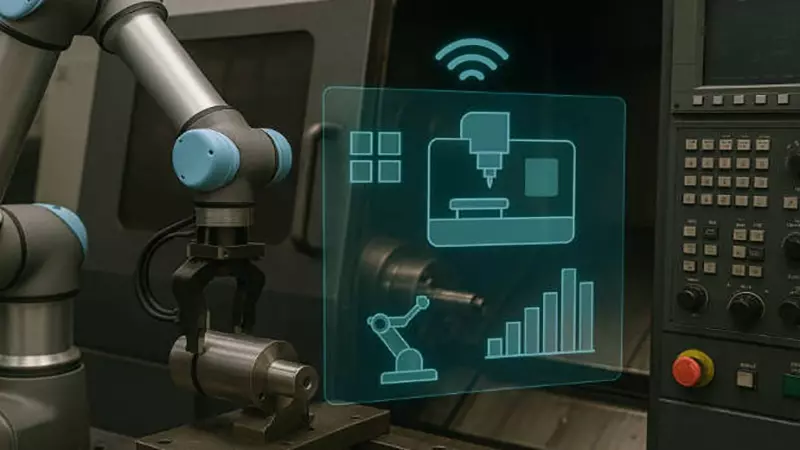
3. Real-Time Production Monitoring
Digital twins can also be connected to physical CNC machines through sensors, controllers, and manufacturing data systems.
Depending on the available equipment and integration, relevant information may include spindle speed, feed rate, temperature, vibration, tool usage, and machine operating status. This information can help operators and engineers understand how actual production compares with the simulated process.
For example, unusual vibration or temperature changes may indicate a developing machining problem. When these signals are monitored alongside production data, engineers may be able to investigate tool wear, workholding conditions, or cutting parameters before the issue affects multiple parts.
More advanced systems can use this information to support predictive maintenance and process optimization. However, the effectiveness of these capabilities depends on sensor quality, data accuracy, system integration, and the reliability of the underlying models.
The objective is not simply to collect more data. It is to turn useful production information into decisions that improve machining stability and equipment utilization.
4. Quality Inspection and Feedback
Quality inspection is another important part of a connected digital manufacturing process.
After machining, components may be measured using coordinate measuring machines (CMMs), optical measuring systems, height gauges, and other inspection equipment. The results can be compared with the original design specifications to determine whether the finished parts meet the required tolerances.
When inspection data is integrated into the digital manufacturing environment, engineers can investigate the relationship between machining conditions and dimensional results.
For instance, repeated dimensional deviations may indicate a need to review tool compensation, fixture positioning, thermal effects, or the machining sequence. Instead of treating inspection as the final step in production, manufacturers can use the results to improve subsequent operations.
This creates a feedback loop in which design information guides machining, machining generates production data, and inspection results inform future process improvements.
Key Benefits of Digital Twins for CNC Precision Machining
Reduced Errors and Manufacturing Risk
Virtual simulation helps engineers identify potential problems before physical production begins. Detecting collisions, unsuitable toolpaths, or difficult machining features early can reduce costly mistakes and improve production readiness.
Improved Machining Efficiency
By evaluating toolpaths, machining sequences, and cutting parameters in advance, manufacturers can identify opportunities to reduce unnecessary movements, shorten cycle times, and improve machine utilization.
The actual improvement depends on the component, machining strategy, equipment, and quality requirements.
More Consistent Product Quality
Connecting machining data with inspection results gives engineers a clearer understanding of process variation. This supports more systematic troubleshooting and helps manufacturers maintain consistent quality across repeat orders and production batches.
Better Traceability and Communication
A connected digital workflow can make it easier to associate design revisions, machining programs, process parameters, and inspection records with specific components or production batches. This improves communication between engineering, production, and quality teams.
For customers purchasing precision-machined parts, better traceability can also support technical reviews, quality documentation, and change management.
Continuous Process Improvement
A digital twin can evolve as new production information becomes available. Over time, accumulated data may help manufacturers refine machining strategies, improve maintenance planning, and make more informed decisions about process capability.
Challenges in Implementing Digital Twin Technology
Despite its potential, digital twin implementation requires careful planning.
First, manufacturers need reliable digital models and accurate machine information. If the virtual model does not reflect actual machine conditions, tooling, fixtures, or material behavior, simulation results may not accurately predict real-world outcomes.
Second, connecting CAD, CAM, machine controllers, inspection equipment, and manufacturing software can be technically challenging. Different systems may use incompatible data formats or operate independently, making integration expensive and time-consuming.
Third, collecting and managing production data requires appropriate infrastructure, cybersecurity measures, and personnel with the necessary technical skills.
For small and medium-sized CNC manufacturers, a complete factory-wide digital twin may not be practical as an initial investment. A more realistic approach is to begin with specific applications, such as machining simulation, toolpath verification, machine monitoring, or inspection-data analysis, and expand as measurable benefits become clear.
The Future of Digital Twins in Smart Manufacturing
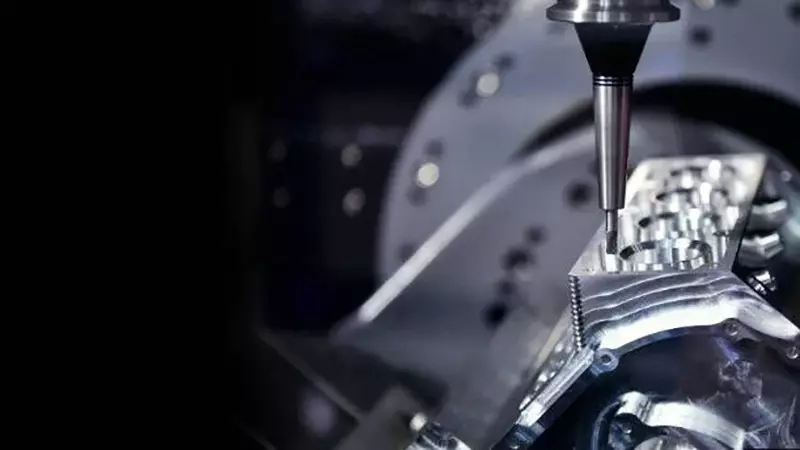
As CNC equipment, industrial sensors, manufacturing software, and artificial intelligence continue to develop, digital twins are expected to become more closely integrated with intelligent production systems.
AI-assisted analysis may help identify patterns in machining data, estimate tool wear, and recommend process adjustments. When combined with simulation and inspection feedback, these capabilities could support more adaptive manufacturing workflows.
However, digital twins and artificial intelligence are complementary rather than interchangeable technologies. A digital twin provides a structured digital representation of a physical process, while AI can help interpret data and support predictions or decisions within that environment.
The long-term opportunity lies in connecting these technologies to create a manufacturing process that is easier to monitor, evaluate, and improve.
Conclusion
Digital twins are helping transform CNC manufacturing from a sequence of isolated operations into a more connected, data-driven production system. By linking design, CAM programming, machining simulation, machine monitoring, and quality inspection, manufacturers can identify risks earlier, improve process efficiency, and establish more systematic methods for continuous improvement.
For CNC precision machining, the greatest value is not simply creating a virtual copy of a physical component. It is using the connection between digital models and real production data to make manufacturing more predictable, traceable, and reliable.
As adoption develops, digital twin technology will become an increasingly valuable tool for manufacturers seeking to manage complex components, maintain tight tolerances, and meet the changing requirements of modern industrial customers.
